Starting a Shopify store is an exhilarating journey. You design a beautiful storefront, source incredible products, and dream of the day your smartphone buzzes constantly with the sweet sound of sales notifications. But the e-commerce landscape is a double-edged sword. While the barriers to entry are low, the hurdles to long-term sustainability are incredibly high. Supply chain disruptions, rising inflation, shift in consumer spending, and skyrocketing digital advertising costs can quickly turn a thriving online boutique into a financial nightmare.
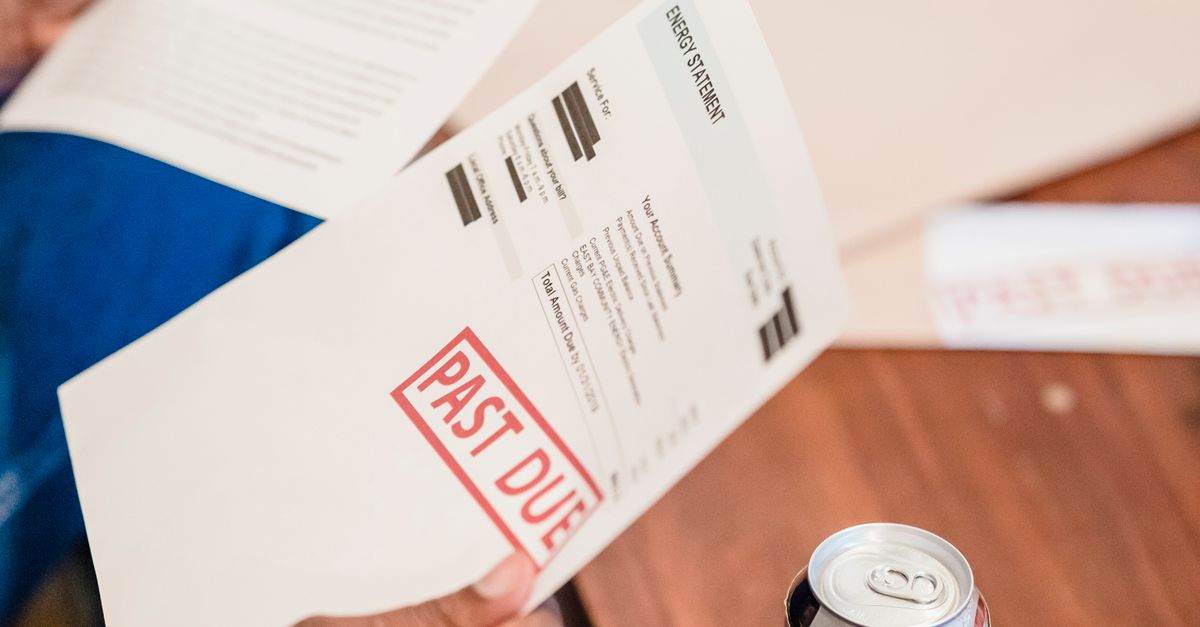
When debts begin to pile up and cash flow dries up, the word "bankruptcy" inevitably creeps into a merchant's mind. It is a word heavy with stigma, anxiety, and confusion. However, for a business owner, bankruptcy is not necessarily the end of the world; rather, it is a legal mechanism designed to handle unsustainable debt. Understanding how bankruptcy works in the context of a Shopify business is crucial for making informed, strategic decisions about your financial future.
The E-Commerce Cash Crunch: Why Shopify Stores Struggle
Before diving into the legalities of bankruptcy, it helps to understand why e-commerce businesses find themselves on the brink of financial collapse. Unlike traditional brick-and-mortar retail stores that face high fixed rents, Shopify merchants face highly volatile variable costs. The most prominent of these is the cost of customer acquisition.
Years ago, you could launch a couple of Facebook ads and instantly see a return on investment. Today, privacy changes, ad-fatigue, and intense competition have pushed Paid Search and Social ad costs to historic highs. Many merchants find themselves spending more to acquire a customer than the customer actually spends on their first purchase. When you couple this high customer acquisition cost with inventory overhead, shipping fees, subscription apps, and payment processing cuts, profit margins can shrink to zero—or worse, go deep into the negative.
Understanding Bankruptcy: The Basics for Shopify Merchants
If your Shopify store is facing insurmountable debt, you need to understand how your business structure dictates your legal liabilities. Bankruptcy operates differently depending on whether you operate as a sole proprietor or as a formal corporate entity.
Sole Proprietorship vs. LLC or Corporation
If you run your Shopify store as a sole proprietor, the law views you and your business as the same legal entity. This means that your business debts are your personal debts. If your store goes under owing thousands of dollars to suppliers, credit card companies, or Shopify Capital, creditors can come after your personal assets, including your personal bank accounts, vehicles, or even your home.
If you set up your store as a Limited Liability Company (LLC) or a Corporation, you have a layer of protection known as the "corporate veil." In theory, the debts of your Shopify store belong solely to the business entity, protecting your personal assets. However, this protection is not absolute. If you signed personal guarantees for business credit cards, inventory loans, or merchant cash advances, you remain personally liable for those specific debts regardless of your LLC status.
Types of Bankruptcy
For most small-to-medium Shopify merchants, bankruptcy generally falls into two categories:
- Chapter 7 Bankruptcy (Liquidation): This is the most common form of bankruptcy. In a Chapter 7 filing, the business operations cease entirely. A court-appointed trustee gathers the business assets, sells them off, and uses the proceeds to pay back creditors as much as possible. For a Shopify store, assets include remaining physical inventory, warehouse equipment, intellectual property (like your domain name and registered trademarks), and potentially your customer email list.
- Chapter 11 Bankruptcy (Reorganization): This option is designed for businesses that want to keep operating but need time to restructure their debts and payment terms. It allows you to keep your Shopify store open, renegotiate contracts with suppliers, and draft a court-approved plan to pay back creditors over time. Chapter 11 is highly complex and expensive, meaning it is usually reserved for larger Shopify brands with significant assets and long-term viability.
The Warning Signs: Are You Headed Toward Bankruptcy?
A business does not collapse overnight. There are clear, quantifiable warning signs that your Shopify store is moving toward financial distress. Recognizing these signs early gives you the chance to pivot before bankruptcy becomes your only option.
"In business, cash is king, but cash flow is the circulatory system. You can have thousands of dollars in inventory, but if you cannot pay your immediate bills, your business is functionally suffocating."
Keep a close eye on these warning metrics:
- Negative Cash Flow: You consistently spend more cash each month to keep the lights on than you generate from actual sales.
- Relying on Debt to Buy Inventory: You are forced to use high-interest credit cards, Shopify Capital, or merchant cash advances just to fund your next batch of inventory, rather than using profits from previous sales.
- The "Ad Spend Trap": You cannot turn off your paid ads without your sales immediately dropping to zero, yet the cost of those ads eats up your entire margin.
- Ignoring Supplier Invoices: You are constantly asking suppliers for extensions, changing payment terms, or dodging calls from vendors.
How to Avoid the Brink: Turning Your Shopify Store Around
If you recognize those warning signs in your own business, do not panic. There are proactive steps you can take to restructure your operations, lower your overhead, and avoid filing for bankruptcy altogether.
First, audit your software subscriptions. Shopify stores are notorious for accumulating expensive monthly app fees. Uninstall any app that is not directly contributing to conversions or core operations. Second, run a massive liquidation sale. Offer deep discounts to clear out slow-moving inventory to inject quick cash back into your bank account. Third, renegotiate terms with your manufacturers and suppliers; explain the situation honestly, as many would rather accept structured, delayed payments than receive pennies on the dollar through a bankruptcy proceeding.
Most importantly, you must address the primary source of cash drain for most Shopify stores: your marketing budget. Relying solely on paid ads is a recipe for financial volatility. To build a resilient, profitable Shopify store, you must transition from paid-acquisition dependency to sustainable, organic traffic.
The SEO Lifeline: How Organic Traffic Saves Margins
When you acquire a customer through Google Search, your acquisition cost is virtually zero. You do not have to pay Meta, Google, or TikTok for every single click. This organic traffic acts as a safety net, ensuring a steady stream of high-intent buyers who are actively searching for what you sell, without the relentless ad spend that drains your bank account.
However, many Shopify merchants avoid SEO because they believe it is too complex, time-consuming, or expensive to outsource. They feel trapped in the cycle of buying ads because they do not have the hours required to write blog posts, optimize product descriptions, research keywords, and build backlinks.
This is where automation becomes your business's savior. You do not need to hire an expensive agency or spend 20 hours a week writing content to rank on the first page of Google. With RankingRider.com, you can fully automate your Shopify store's SEO strategy.
RankingRider.com acts as your automated SEO co-pilot. It intelligently analyzes your niche, uncovers low-competition keywords your competitors are missing, and automatically generates high-quality, SEO-optimized blog posts and product content tailored to your Shopify store. By letting automation handle your organic growth, you can drastically lower your customer acquisition costs, restore your profit margins, and build a highly defensible digital asset that keeps cash flowing—keeping your business far away from the threat of bankruptcy.