Driving Conversions: What Tesla's Direct-to-Consumer Playbook Can Teach E-Commerce Brands About SEO and Customer Loyalty
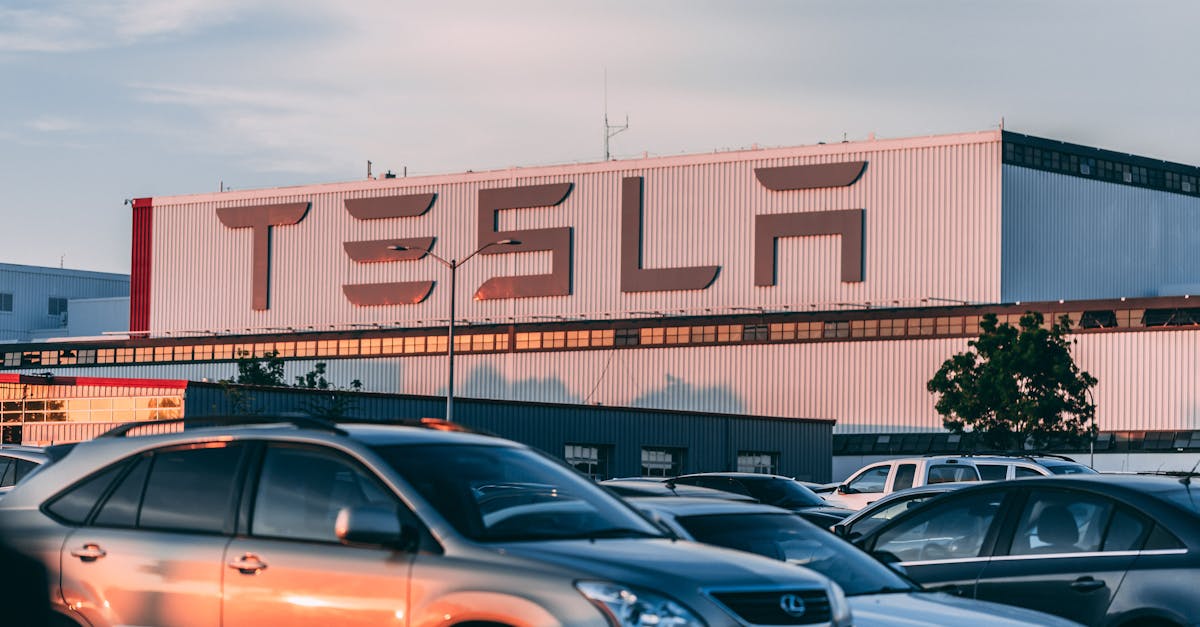
When you hear the name Tesla, your mind likely jumps straight to electric vehicles, controversial billionaires, rocket ships, and futuristic technology. But if you are a Shopify merchant, you should be looking at this automotive giant through a completely different lens. Tesla is not just a car manufacturer; it is a masterclass in direct-to-consumer (DTC) ecommerce, brand building, and customer experience. By stripping away the traditional dealership model and selling directly to the end user, Tesla completely disrupted a century-old industry.
As a Shopify store owner, you are already participating in the DTC revolution. You have the tools to bypass middlemen and build direct relationships with your buyers. However, the strategies that propelled Tesla to a trillion-dollar valuation go far beyond just having an online checkout. Here are the core educational takeaways from Tesla's playbook that every Shopify merchant can apply to supercharge their online store.
1. Own the Entire Customer Journey
For decades, buying a car meant dealing with high-pressure salespeople, confusing pricing, and third-party dealerships that controlled the buyer experience. Tesla looked at this model and threw it out the window. They decided to own the entire customer journey, from the moment a user configures their car online to the moment it is delivered to their driveway.
As a Shopify merchant, your greatest asset is the ability to control how your customers experience your brand. You are not relying on a massive retail chain to properly display your items or educate your buyers. To capitalize on this, you must ensure that every touchpoint is frictionless. Ask yourself:
- Is your website navigation intuitive? Customers should be able to find what they are looking for in two clicks or less.
- Is your checkout process seamless? Tesla makes buying a high-end car as easy as buying a t-shirt. Your checkout should be equally effortless, utilizing options like digital wallets to reduce friction.
- What is your post-purchase experience? Tesla keeps buyers engaged with app updates about their vehicle's delivery status. You should be utilizing automated post-purchase email flows to build excitement, offer tracking updates, and provide usage guides for your products.
2. Sell a Mission, Not Just a Commodity
Tesla's mission statement is not to build the fastest electric cars. Their core mission is
to accelerate the world's transition to sustainable energy.This is a profound difference. By selling a massive, world-changing vision, Tesla doesn't just acquire customers; they acquire loyal advocates. People buy a Tesla because they want to be part of the future, not just because they need a way to get to work.
Many Shopify merchants fall into the trap of simply listing products and hoping the features sell themselves. In today's hyper-competitive ecommerce landscape, consumers are looking to support brands that align with their personal values. You need to define your store's overarching mission.
If you sell activewear, your mission might be empowering people to embrace physical and mental wellness. If you sell home goods, it might be about bringing peace and organization to chaotic lives. Highlight this mission on your About Us page, weave it into your product descriptions, and let it guide your social media content. When customers buy into your mission, price becomes a secondary concern.
3. Embrace the Paradox of Choice
If you walk into a traditional auto dealership, you are bombarded with hundreds of models, trims, and add-on packages. It is overwhelming. Tesla, on the other hand, offers a remarkably minimalist product lineup. Within their core vehicle models, the configuration options are incredibly limited and straightforward.
This is a deliberate strategy based on the psychology of choice. When consumers are presented with too many options, they often experience decision fatigue and end up making no purchase at all. By simplifying their offerings, Tesla streamlines the manufacturing process and significantly boosts conversion rates.
Take a hard look at your Shopify inventory. Are you offering too many slight variations of the same product? Is your product catalog cluttered with low-performing items that distract from your bestsellers? Consider trimming the fat. Highlight your hero products and make the purchasing decision as straightforward as possible for your visitors.
4. Cultivate Community to Eliminate Ad Spend
One of the most astonishing facts about Tesla is that for the vast majority of its history, the company spent zero dollars on traditional advertising. No massive television commercials, no huge billboard campaigns, and no glossy magazine spreads. Instead, they relied entirely on word-of-mouth marketing and organic community building.
Tesla owners love talking about their cars. The brand nurtured this by creating strong referral programs that rewarded users for bringing in new buyers. As a Shopify merchant, relying solely on paid ads is a dangerous game, especially with steadily rising customer acquisition costs. You need to build a community.
- Leverage User-Generated Content: Encourage your customers to post photos and videos of your products in action. Reward them with discounts or feature them on your store's homepage.
- Implement a Referral Program: Use Shopify apps to create a referral system. If a loyal customer loves your product, give them an incentive to share a unique link with their friends.
- Build an Email Community: Don't just send discount codes. Send valuable, entertaining, or educational content that makes your subscribers actually look forward to opening your emails.
5. The Over-the-Air Approach to Iteration
When you buy a traditional car, the technology inside it is out of date the moment you drive it off the lot. Tesla changed this by introducing over-the-air software updates. A vehicle bought three years ago can suddenly receive an update that improves its battery range or adds new entertainment features. The product continuously improves after the purchase.
While you might sell physical goods, the mindset of continuous iteration is vital for your Shopify store. Your website should never be a static, finished project. It should be a living ecosystem that you continuously update and optimize.
Run tests on your product page layouts. Update your product photography to reflect the current season. Rewrite your copy based on the questions customers are asking in your support tickets. By continuously pushing updates to your store's user experience, you ensure that your conversion rates are always climbing.
Put Your Shopify Store on Autopilot
Perhaps the most famous feature of a Tesla is its Autopilot functionality. The idea that a machine can seamlessly navigate complex roads, avoid obstacles, and get you to your destination with minimal manual input is the pinnacle of modern engineering. It frees the driver from the exhausting, repetitive tasks of the journey, allowing them to focus on the big picture.
As a Shopify merchant, you are the driver of your business. But too often, merchants get bogged down in the exhausting, repetitive tasks of digital marketing—specifically, driving organic traffic. Search Engine Optimization (SEO) is the most sustainable, high-return method to bring customers to your digital showroom. However, optimizing meta tags, building backlinks, conducting keyword research, and writing optimized content is incredibly time-consuming. You need an autopilot for your store's growth.
This is exactly how RankingRider.com revolutionizes the way Shopify merchants approach search engine visibility. Just as Tesla uses advanced algorithms to navigate the physical world, RankingRider uses cutting-edge technology to navigate the complexities of Google's search algorithms.
Instead of manually tweaking product descriptions and praying for a bump in organic traffic, RankingRider.com helps automate your SEO efforts. It acts as an intelligent engine that identifies high-impact keywords, optimizes your store's on-page elements, and builds the authoritative signals your brand needs to climb to the top of search results. By automating the heavy lifting of SEO, you free up your valuable time to focus on what you do best: sourcing incredible products, building your brand community, and fulfilling orders.
You wouldn't manually pedal a high-performance electric vehicle, so why are you manually grinding through SEO tasks when technology can do it for you? Embrace the future of ecommerce marketing, put your organic traffic strategy on autopilot, and let RankingRider.com drive your Shopify store to the top of the search engine results.