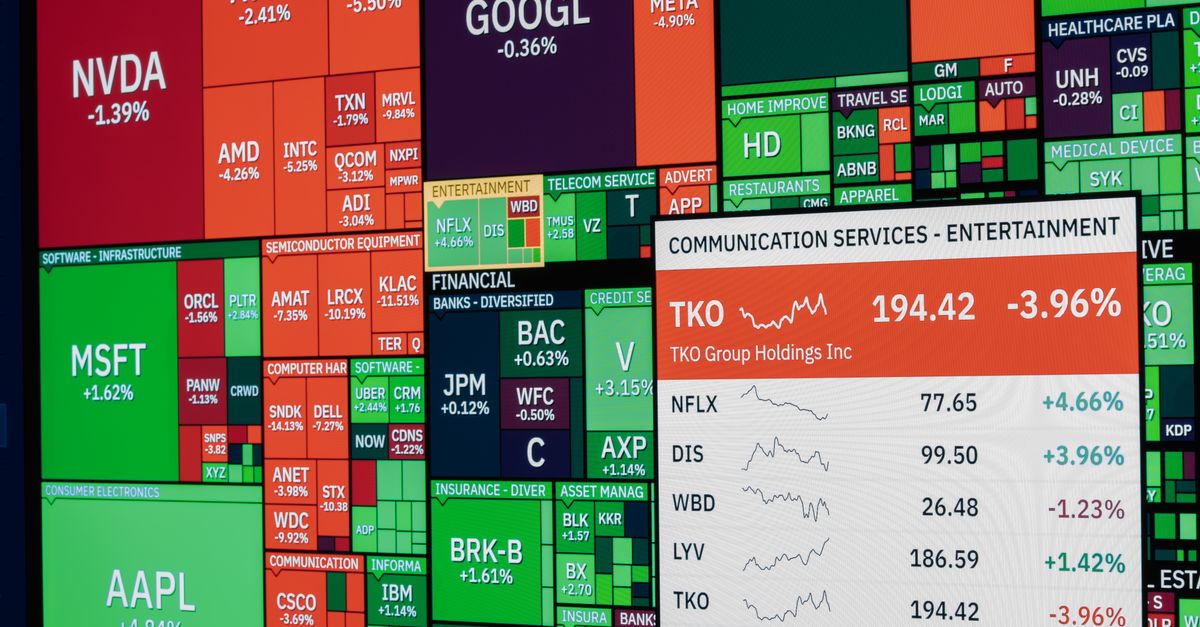
For Shopify merchants, the worlds of e-commerce and the stock market might seem like parallel universes. You are busy managing inventory, optimizing checkout flows, and running ad campaigns, while the stock market often feels like a distant storm of ticker symbols and macroeconomic headlines. However, understanding the current state of the stock market isn't just for Wall Street traders—it provides essential context for your consumer base and your own business growth strategy.
The Current Market Pulse: What You Need to Know
Today, the stock market is navigating a complex landscape defined by shifting interest rates, inflationary pressures, and the rapid integration of artificial intelligence. When market indices fluctuate, it is often a reflection of investor sentiment regarding the health of the average consumer. For a merchant, this is critical: when your customers feel confident in their retirement portfolios and the broader economy, their discretionary spending increases.
Currently, the market is showing a trend toward cautious optimism. While tech-heavy sectors remain bullish due to the ongoing AI revolution, traditional retail is facing a more nuanced environment. As a Shopify store owner, you might notice that price sensitivity has increased among your shoppers. This is because high-interest rates have tightened the belt for many households, meaning the competition for every dollar spent online has become significantly more fierce.
Why Market Volatility Matters to Your Storefront
When the stock market experiences a downturn, the psychological effect on shoppers is almost immediate. People tend to pull back on non-essential purchases, prioritizing value and necessity. Here is how you can interpret these signals:
- Increased Demand for Value: During market uncertainty, your promotional strategies should pivot to highlight long-term value, durability, or cost-savings.
- Inventory Management: Stock market dips can sometimes signal supply chain disruptions or shifts in consumer behavior patterns that you should prepare for.
- Capital Efficiency: If you are looking to scale, market conditions dictate how expensive it is to secure capital for growth, making organic traffic more valuable than ever.
Ultimately, while you cannot control the S&P 500, you can control how your business responds to the economic climate. The most resilient Shopify merchants are those who stop relying solely on volatile paid advertising and start investing in the long-term equity of their own brand through organic search visibility.
The Best Hedge Against Market Uncertainty: SEO
In a fluctuating economy, paid ads (PPC) can become a liability. If your margins get squeezed by rising ad costs and lower conversion rates, your store’s profitability can evaporate overnight. This is why Search Engine Optimization (SEO) is the ultimate "blue-chip" investment for an e-commerce business. Unlike a stock, your SEO efforts don't fluctuate based on a quarterly earnings report; they compound over time, building a moat around your brand that competitors cannot easily breach.
By ranking high on Google for the terms your customers are actually searching for, you create a sustainable pipeline of high-intent traffic that costs you nothing every time someone clicks. This effectively lowers your Customer Acquisition Cost (CAC), providing you with a buffer that protects your margins, regardless of what the stock market is doing on a given day.
How to Automate Your Path to Growth
We know that as a merchant, you don't have the time to become an SEO expert. You have products to ship and customers to support. This is where modern automation steps in to do the heavy lifting for you. You need a system that understands the Shopify ecosystem, identifies your most profitable keywords, and optimizes your pages automatically so you can focus on the big picture.
The goal of any successful e-commerce store is to build an asset that generates revenue even when you are sleeping. Effective SEO is the most reliable way to achieve that level of independence from the whims of the market.
If you want to stop gambling with your ad spend and start building a stable, profitable foundation for your store, it is time to leverage the power of automation. By streamlining your meta tags, product descriptions, and site structure, you can capture organic traffic that keeps your business growing through every market cycle.
Don't let market volatility dictate your store's future. Take control of your visibility today by visiting RankingRider.com. We specialize in automating SEO for Shopify merchants, ensuring your products get the attention they deserve without the manual headache. Start building your organic advantage and protect your bottom line by checking out our tools at www.rankingrider.com.