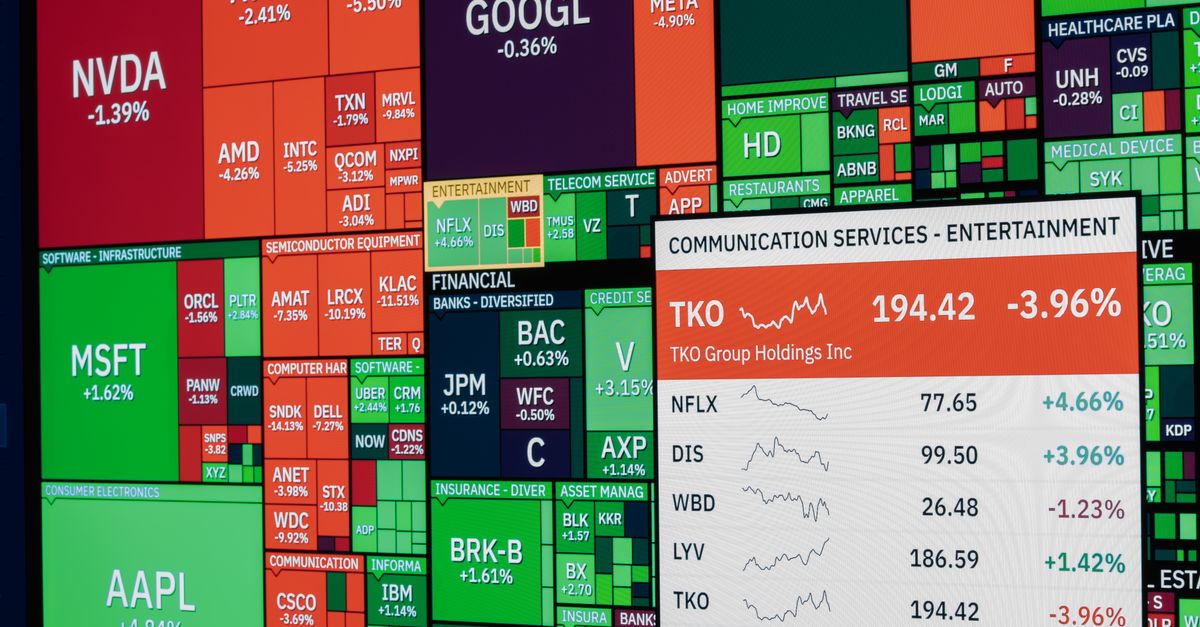
For Shopify merchants, the stock market often feels like a distant world—a realm of ticker symbols, complex jargon, and high-stakes gambling that exists far away from the daily grind of managing product inventory and customer orders. However, understanding the pulse of the financial markets is more than just a hobby for Wall Street traders; it is a vital barometer for your e-commerce business. When the markets fluctuate, consumer confidence, supply chain costs, and your advertising budgets are often the first things to feel the ripple effect.
The Connection Between Wall Street and Your Storefront
Today’s stock market is driven by a complex interplay of interest rates, inflation data, and retail earnings reports. When you see headlines about the S&P 500 or the Nasdaq, you are essentially looking at a composite index of the companies that dictate the global economy. For a Shopify merchant, the stock market provides a sneak peek into the financial health of the consumer base you rely on.
Consider these three core indicators that should matter to your business:
- Inflation and Discretionary Spending: When inflation indices rise, households often cut back on non-essential purchases. If your store sells luxury or boutique goods, a bearish market sentiment often correlates with tighter wallets across your demographic.
- Supply Chain and Logistics Costs: The stocks of major shipping and freight companies are often proxies for global logistics costs. If these companies are struggling, it often indicates rising freight rates, which can eat directly into your profit margins.
- Retail Earnings Reports: The quarterly results of retail giants like Amazon, Walmart, or Target act as a signal for the broader industry. If they report lower-than-expected sales, it is a warning sign that you might need to adjust your promotional strategy to stay competitive.
Staying Resilient in Volatile Times
While you cannot control market volatility, you can build a business that is resilient against it. In economic downturns, the most successful merchants aren't the ones who gamble on external factors, but the ones who double down on their own internal efficiency. When customer acquisition costs (CAC) rise due to market-driven ad platform volatility, your organic growth becomes your most valuable asset.
Organic search traffic—people finding you via Google rather than through paid clicks—is the ultimate defensive strategy. It costs nothing to maintain once established and offers a level of stability that paid ads simply cannot match. If you rely solely on paid advertising, you are at the mercy of market-driven CPM changes. If you invest in your SEO, you are building an asset that belongs to your brand, independent of market turbulence.
Why SEO Is Your Best Investment
Unlike stock market investments, which involve high risk and external volatility, investing in your Shopify store's SEO is an investment with a compounding return. Every blog post, optimized product description, and backlink serves as a permanent improvement to your storefront. The higher you rank, the more consistent your traffic becomes, insulating you from the need to overspend on paid advertisements when times get tough.
However, we know that as a merchant, your time is your most precious resource. You are busy fulfilling orders, managing customer relationships, and trying to keep up with the latest industry trends. You shouldn't have to become an SEO expert to ensure your products show up on page one of Google.
Automate Your Growth
This is where smart technology changes the game. Just as you use automated apps for inventory management and email marketing, you should be using automation to handle your search engine rankings. You need a solution that works in the background, identifying opportunities, fixing technical issues, and ensuring your products are always optimized for the latest search algorithms.
At RankingRider.com, we believe that Shopify merchants should spend less time tinkering with code and more time building their brands. We have built a platform specifically designed to automate the heavy lifting of SEO. By identifying ranking gaps and optimizing your storefront automatically, RankingRider helps you secure the long-term organic traffic that keeps your business profitable, regardless of what the stock market is doing today.
Don't let market uncertainty dictate your future. Take control of your store's visibility and build an organic traffic machine that grows while you focus on what you do best: running your business. Visit RankingRider.com today and start automating your journey to the top of the search results.