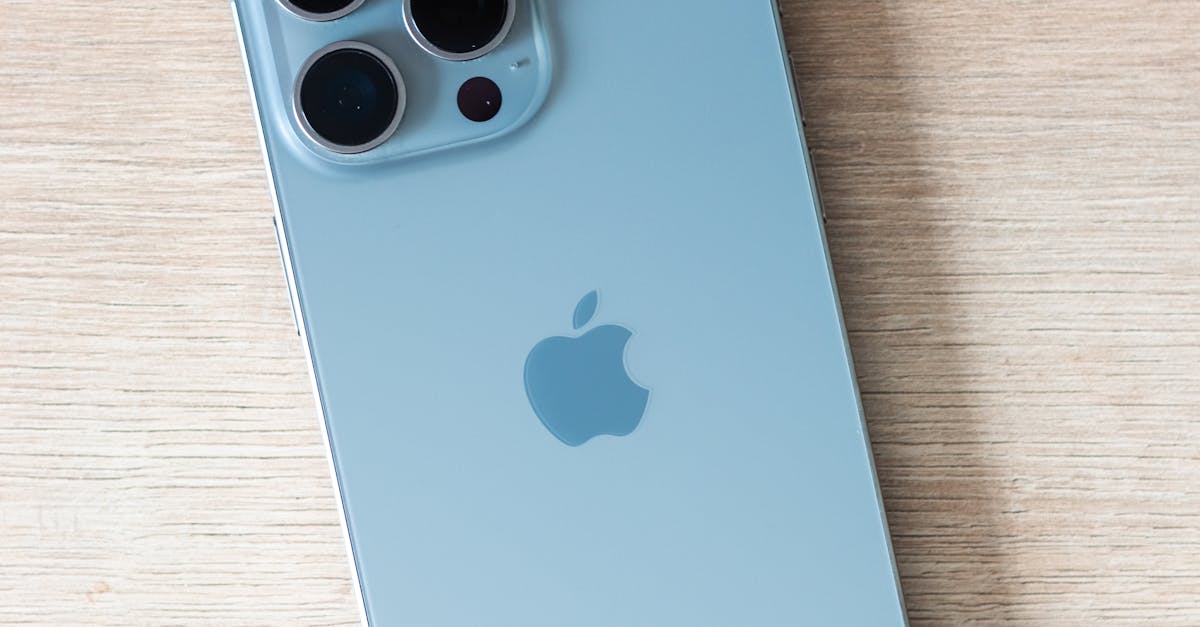
In the fast-paced world of consumer electronics, few product launches capture the imagination of Shopify merchants quite like the Apple iPhone series. As we look toward the potential specifications and market impact of the iPhone 18 Pro Max, it is vital for ecommerce store owners to understand how such flagship devices dictate consumer behavior, search trends, and mobile optimization strategies. Staying ahead of the hardware curve isn't just for tech enthusiasts—it is a business imperative.
The Evolution of the Pro Max Standard
The iPhone 18 Pro Max represents the pinnacle of Apple’s integration strategy. Historically, the Pro Max line has served as the benchmark for mobile photography, processing power, and battery endurance. For online merchants, the evolution of this device matters because your customers are increasingly shopping, researching, and purchasing via their mobile devices. When a new iPhone pushes the boundaries of screen resolution or processing speed, it forces merchants to ensure their Shopify stores are equally performant.
Anticipated Features That Influence User Behavior
While details are subject to constant rumor cycles, the iPhone 18 Pro Max is expected to refine the user experience in three critical areas that impact your bottom line:
- Advanced Display Refresh Rates: With ultra-smooth ProMotion technology, users have come to expect fluid animations. If your Shopify store takes too long to render or features laggy JavaScript, modern iPhone users will notice immediately, leading to higher bounce rates.
- Camera and AR Capabilities: With massive improvements in LiDAR and sensor technology, Apple continues to push Augmented Reality. Merchants should consider how 3D product modeling and AR previews can be optimized for the latest iPhone display standards.
- AI-Integrated Search: As Apple continues to integrate more robust AI features into iOS, local and mobile search results will become more personalized. Ensuring your site structure is optimized for these emerging search patterns is no longer optional.
Why Merchant Optimization Matters
When your target demographic is carrying the most advanced mobile technology available, your storefront must be optimized to match that hardware. If you are selling high-end accessories, apparel, or lifestyle products, your site needs to load instantly and look flawless on a device with a high-pixel-density display. High-resolution imagery, optimized for speed, is the baseline expectation for users navigating your site on an iPhone 18 Pro Max.
The mobile-first transition is complete. If your Shopify store isn't performing at the speed of the device in your customer's pocket, you are effectively leaving revenue on the table.
Strategic SEO for the Mobile Era
Search engines are increasingly prioritizing the mobile version of websites for indexing and ranking. When users search for products on the latest iPhone, Google delivers results based on mobile-friendliness, core web vitals, and page experience. To compete effectively, Shopify merchants need to go beyond basic titles and descriptions. You need a comprehensive, automated approach to SEO that adapts to the constant shifts in search engine algorithms.
Achieving consistent organic traffic requires more than just manual updates; it requires a systematic, data-driven strategy that keeps your meta tags, sitemaps, and keyword distribution relevant to modern search habits. Managing this manually while trying to grow your brand is a daunting task, which is why automation has become the secret weapon for top-tier Shopify sellers.
Automate Your Growth with RankingRider
As we anticipate the release of cutting-edge hardware like the iPhone 18 Pro Max, your digital storefront must remain visible to the users searching for your products. You shouldn't have to spend hours tweaking code or manually updating SEO metadata to keep up with search engine trends. That is where professional automation tools come into play.
RankingRider.com provides a powerful, automated SEO solution specifically designed for Shopify merchants. By leveraging intelligent algorithms, the platform streamlines your search engine optimization, ensuring that your product pages remain perfectly indexed and ranked. Whether you are scaling your business or focusing on high-ticket dropshipping, RankingRider eliminates the guesswork, allowing you to focus on the creative aspects of your business while the software handles the complexities of search engine rankings. Start optimizing your store today and ensure that your brand stays as visible as the next generation of mobile technology.