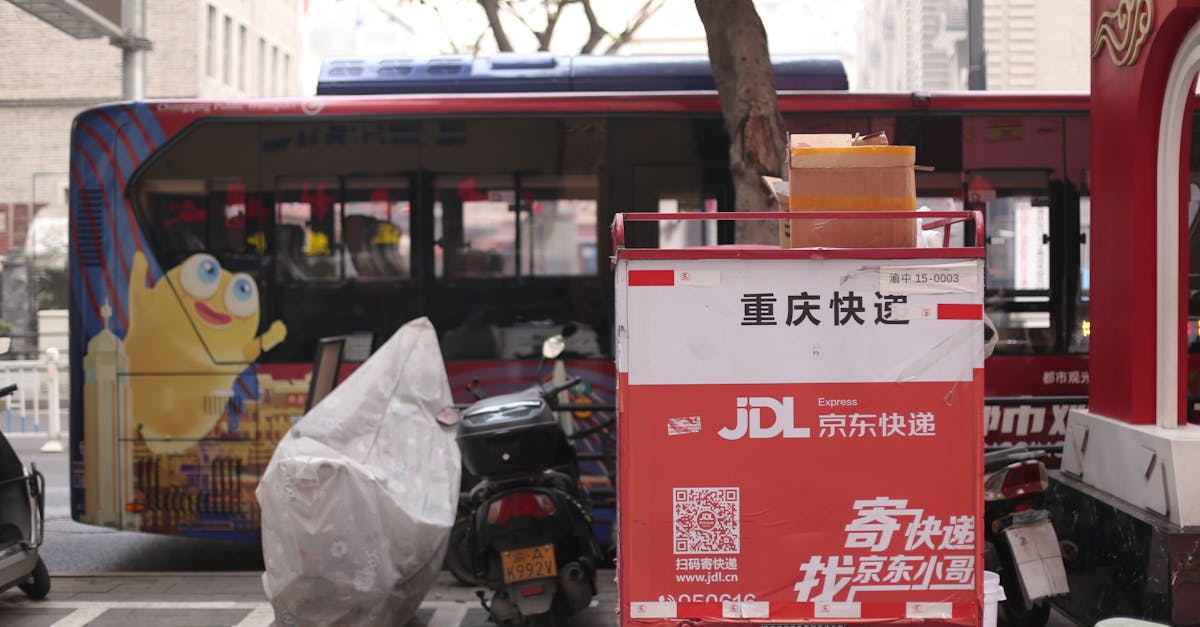
As a Shopify merchant, you likely spend your days analyzing conversion rates, optimizing Facebook ad campaigns, and sourcing the best possible products for your target audience. But if you are only looking at Western markets and familiar platforms for inspiration, you might be missing out on game-changing insights from one of the most dynamic and fiercely competitive e-commerce landscapes in the world: China. While Alibaba usually grabs the Western headlines, there is another colossal giant reshaping global retail. Meet JD.com, also known as Jingdong.
Understanding JD.com is not just a lesson in international business; it is a masterclass in logistics, brand trust, and customer experience. For a growing Shopify brand, the strategies that propelled JD to the top of the Asian market offer incredible blueprints for scaling your own e-commerce business. Let us dive into the story of JD.com, how it operates, and what you can learn from its relentless pursuit of e-commerce perfection.
The Unlikely Origin Story of JD.com
To appreciate JD.com today, you have to understand how it started. Founded by Richard Liu in 1998, JD did not begin as a massive digital platform. It started as a tiny, four-square-meter retail booth in Beijing's tech hub, selling magneto-optical drives. Liu built a reputation for selling authentic products at a time when counterfeit electronics were rampant in local markets.
The pivotal moment for JD came in 2003 during the SARS epidemic. With citizens forced to stay indoors to avoid infection, Liu had to close his physical stores. To survive, he pivoted entirely online, launching the first iteration of JD.com. This forced digital transformation laid the groundwork for what would become an e-commerce empire. It is a powerful reminder for Shopify merchants that external crises and sudden market shifts often force the kind of innovation that leads to massive long-term growth.
JD.com vs. Alibaba: A Tale of Two Models
When Westerners think of Chinese e-commerce, they typically think of Alibaba (Taobao and Tmall). However, Alibaba and JD.com operate on fundamentally different business models.
- The Marketplace Model (Alibaba): Alibaba functions much like eBay or an endless digital shopping mall. It connects buyers and sellers, provides the payment infrastructure, but rarely owns the inventory or manages the direct fulfillment of the products.
- The Direct Retail Model (JD.com): JD operates much closer to the traditional Amazon model. It buys inventory, houses it in its own massive network of warehouses, and handles the fulfillment and delivery directly to the consumer.
By controlling the entire supply chain from the moment an item enters the warehouse to the moment it reaches the customer's doorstep, JD ensures an incredibly high level of quality control. This strict oversight allows them to promise authenticity, which is a massive competitive advantage in a market where consumers are highly skeptical of fake goods.
The Logistics Marvel: Setting a Global Standard
If there is one area where JD truly outshines its global competitors, it is logistics. JD Logistics is an absolute marvel of modern technology and efficiency. They do not just rely on third-party couriers; they built their own nationwide delivery network from scratch.
The company operates thousands of warehouses, including fully automated fulfillment centers where robots handle the sorting, packing, and moving of goods. In many major cities in China, JD offers same-day or next-day delivery for over 90% of its orders.
JD has even pioneered the use of drone deliveries for rural areas where traditional trucks cannot easily travel, and autonomous delivery rovers that navigate university campuses and city streets. For a Shopify merchant, this highlights a critical truth: shipping and fulfillment are not just operational necessities; they are your most powerful marketing tools. Fast, reliable shipping creates loyal, repeat customers faster than almost any discount code or clever ad copy.
JD Worldwide: The Cross-Border Opportunity
You do not have to be based in Asia to interact with JD.com. Through JD Worldwide, the company allows international brands to sell directly to Chinese consumers without requiring a physical presence in the country. This cross-border platform is incredibly popular among the rapidly expanding Chinese middle class who are hungry for premium international goods, particularly in categories like health supplements, cosmetics, baby products, and luxury fashion.
For ambitious Shopify merchants, JD Worldwide represents a potential expansion avenue. If you have a strong, recognizable brand with high-quality products, tapping into JD's ecosystem can open the floodgates to hundreds of millions of active buyers who trust the JD platform implicitly.
Core Lessons for Shopify Merchants
You might not have a billion-dollar budget to build automated robot warehouses, but the core philosophies that drive JD.com can be applied directly to your Shopify store today.
- Prioritize Authenticity and Trust: JD built its empire on a zero-tolerance policy for counterfeits. On Shopify, trust is built through high-quality product photography, transparent return policies, genuine customer reviews, and clear communication. If your customers trust you, they will return.
- Fulfillment is the Ultimate Differentiator: You may not offer drone delivery, but you can optimize your processing times. Choose reliable 3PL (Third-Party Logistics) partners, offer accurate tracking information, and consider unboxing experiences that make your customer feel valued.
- Embrace Technology and Automation: JD uses AI to predict consumer purchasing habits and stage inventory closer to buyers before they even check out. You can leverage Shopify apps to automate email flows, manage inventory efficiently, and personalize product recommendations.
Building Your Own E-commerce Infrastructure
Building an e-commerce empire like JD.com requires a relentless focus on infrastructure. For JD, that meant pouring billions into physical warehouses, trucks, and delivery drones to ensure they could reach their customers quickly and efficiently. For your Shopify store, however, your most critical infrastructure is not physical—it is digital.
You can source the most incredible products, build a beautiful website, and offer lightning-fast shipping, but if potential customers cannot find your store on search engines, your business will constantly struggle to grow. In the digital world, visibility is your supply chain. This is exactly where Search Engine Optimization (SEO) becomes your ultimate growth engine. Relying solely on paid ads is like renting your audience; building strong organic SEO is like owning the real estate.
Automate Your SEO Success
Managing technical SEO, keyword research, content optimization, and link-building manually is incredibly time-consuming, especially when you are already juggling a hundred other tasks to keep your Shopify store running. You need a solution that acts as your digital logistics network—working tirelessly in the background to deliver traffic right to your virtual doorstep.
This is where RankingRider.com changes the game for Shopify merchants. RankingRider is designed to help you automate and supercharge your SEO strategy effortlessly. By providing powerful, intuitive tools that analyze your store, track your search engine rankings, and identify high-value keyword opportunities, RankingRider takes the guesswork out of organic growth.
Just as JD.com leveraged advanced technology to streamline its massive operations, you can leverage RankingRider to streamline your digital visibility. It helps you build a solid, search-friendly foundation that consistently drives high-intent, organic traffic to your product pages. If you are ready to stop relying solely on expensive paid ads and want to build sustainable, long-term traffic infrastructure for your brand, head over to RankingRider.com today and start dominating your search rankings.