Mobile-First SEO: Why Optimizing Your E-Commerce Store for Android Phones is the Ultimate Conversion Hack
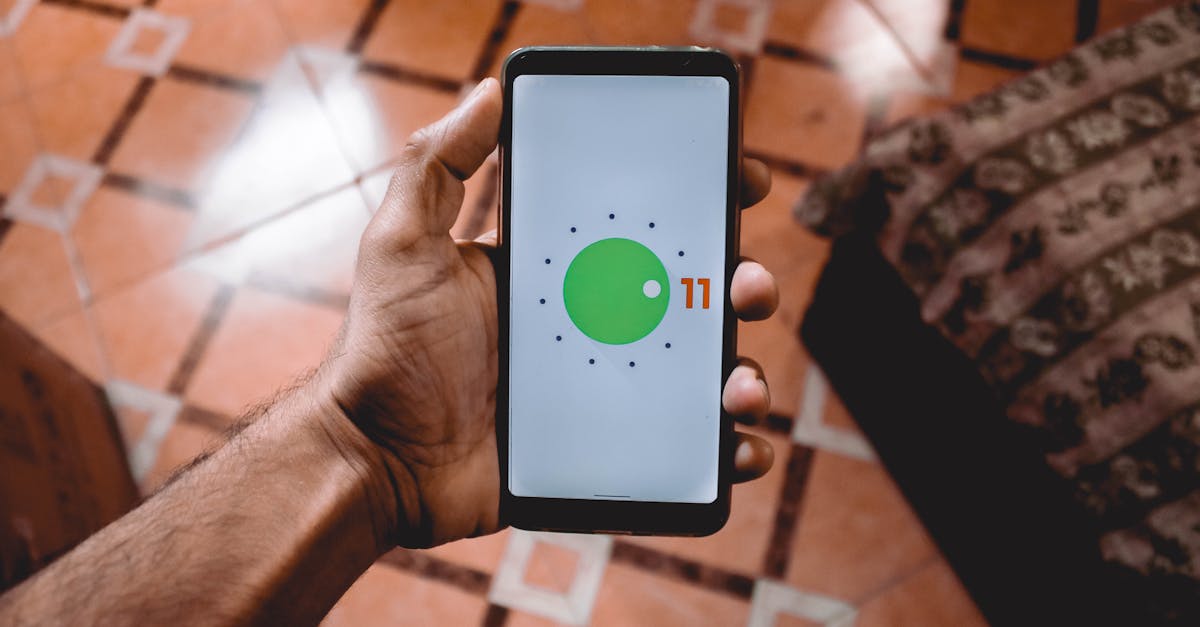
As a Shopify merchant, your primary goal is to reach your customers wherever they are, providing them with a seamless and enjoyable shopping experience. In today's hyper-connected digital landscape, that increasingly means reaching them on their mobile devices. While much of the design and tech world tends to fixate on the latest Apple devices, there is a massive, highly profitable ecosystem that e-commerce business owners cannot afford to overlook: Android phones. Understanding the Android ecosystem, optimizing your storefront for these devices, and leveraging Android tools to manage your own business can significantly boost your bottom line.
The Global Powerhouse: Understanding Android Market Dominance
When you look at the mobile landscape from a global perspective, Android is the undisputed king. Operating on a vast array of devices across different price points, Android holds the majority of the global smartphone market share. For Shopify merchants, especially those selling internationally or planning to scale their operations across borders, this statistic is not just a fun fact; it is a critical business insight.
In the world of e-commerce, ignoring the Android ecosystem is like leaving the front door of your physical store locked during peak shopping hours.
Unlike iOS, which is restricted to Apple's premium hardware, the Android operating system is open-source and utilized by dozens of manufacturers, including Samsung, Google, Motorola, and OnePlus. This creates a highly diverse user base. By understanding that the majority of your international traffic—and a very significant portion of your domestic traffic—originates from Android phones, you can begin to tailor your marketing and technical strategies to capture this massive audience effectively.
The Android Shopper: Who Are They?
Because Android phones range from ultra-budget models to high-end, foldable flagships, the Android shopper demographic is incredibly broad. This diversity means that as a Shopify merchant, you are not just catering to one specific income bracket or tech-literacy level. You are catering to a vast spectrum of consumers.
Here are a few key characteristics of the Android consumer base that should influence your e-commerce strategy:
- Diverse Purchasing Power: While some Android users purchase budget-friendly devices, millions of others invest in premium devices like the Samsung Galaxy S Ultra series or the Google Pixel Pro. You cannot assume Android traffic is low-converting; premium Android users have high disposable incomes and are avid online shoppers.
- Tech-Savvy Explorers: Many users choose Android for its customization capabilities. These users appreciate flexible, innovative, and user-friendly web experiences.
- Global Reach: If your Shopify store offers international shipping, Android users will likely make up the vast majority of your overseas buyers, particularly in emerging markets where mobile commerce is the primary method of shopping online.
Optimizing Your Shopify Store for Android Devices
Knowing that a huge portion of your traffic comes from Android phones is only half the battle. The next step is ensuring that your Shopify store is perfectly optimized for these devices. Because Android runs on thousands of different screen sizes, resolutions, and hardware configurations, optimization requires a thoughtful approach.
Mastering Fluid and Responsive Design
Your Shopify theme must be fluid. It is not enough to simply scale down your desktop site. Elements must rearrange themselves intuitively. On an Android phone, screen sizes can range from a compact five inches to massive seven-inch displays, and even folding screens. Your product images, text blocks, and navigation menus need to adapt instantly without breaking the user experience.
Prioritizing Page Loading Speeds
Android devices are used on a wide variety of mobile networks worldwide, from blazing-fast 5G connections to much slower 3G networks in rural or emerging areas. Additionally, not every Android phone has a top-tier processor. To ensure you do not lose customers to slow loading times, you must optimize your store's speed.
- Compress Product Images: Use modern image formats and ensure your high-resolution product photos are compressed without losing visual quality.
- Minimize Heavy Scripts: Too many background apps and heavy JavaScript can bog down budget Android devices. Keep your code clean and your app usage to a minimum.
- Enable Lazy Loading: Ensure that images and videos only load as the user scrolls down the page, saving valuable processing power and mobile data for the shopper.
Creating Accessible Touch Targets
When designing your mobile experience, remember that thumbs do the walking. Buttons, links, and navigation menus need to be appropriately sized for touch interactions. If an Android user has to pinch and zoom just to click the Add to Cart button, you have already created friction that could cost you a sale. Ensure all clickable elements have enough spacing around them to prevent accidental clicks.
Integrating Seamless Payment Gateways
One of the biggest advantages of optimizing for Android is leveraging Google Pay. Shopify integrates seamlessly with Google Pay, allowing Android users to bypass tedious form-filling. With a single tap, a customer can authenticate their identity and shipping details using the biometric sensors on their Android phone. This dramatically reduces cart abandonment rates and streamlines the checkout process.
Managing Your Shopify Empire from an Android Device
The Android ecosystem is not just for your customers; it is an incredibly powerful tool for you as a merchant. The Shopify mobile app for Android is robust, allowing you to carry your entire business in your pocket. Whether you are using a Samsung tablet or a Google Pixel phone, you can manage your operations on the fly.
From the Android app, you can fulfill orders, communicate with customers, upload new product photos directly from your phone's camera, and monitor your live sales data. The flexibility of the Android operating system, with its customizable widgets and notification management, allows you to set up your home screen to keep your most important e-commerce metrics front and center at all times.
Seamless SEO Automation for Your E-Commerce Store
Optimizing your storefront for the diverse world of Android phones, creating incredible products, and managing your day-to-day operations takes a tremendous amount of time. You have worked hard to ensure that when an Android user lands on your site, they have a flawless, high-speed, and secure shopping experience. But there is one fundamental question left: how do you get those millions of Android users to find your Shopify store in the first place?
Providing a beautiful mobile experience is meaningless if your store is buried on the tenth page of search engine results. Search Engine Optimization is the crucial bridge between your amazing products and the consumers actively searching for them on their mobile devices. However, keeping up with keyword research, backlink tracking, and constant algorithm updates can easily become a full-time job—time that you, as a busy Shopify merchant, simply do not have.
You need a system that works as hard as you do, running in the background while you focus on scaling your brand. This is where intelligent automation becomes your greatest asset. By automating your SEO efforts, you can drive consistent, high-quality organic traffic to your store without sacrificing hours of your day.
If you are ready to stop stressing about search rankings and start welcoming more targeted mobile traffic, RankingRider.com helps automate SEO for Shopify. By seamlessly integrating with your e-commerce setup, it takes the guesswork out of search engine optimization, pushing your store to the top of the results and right into the hands of your next great customer.